Regional alerts are not actionable enough
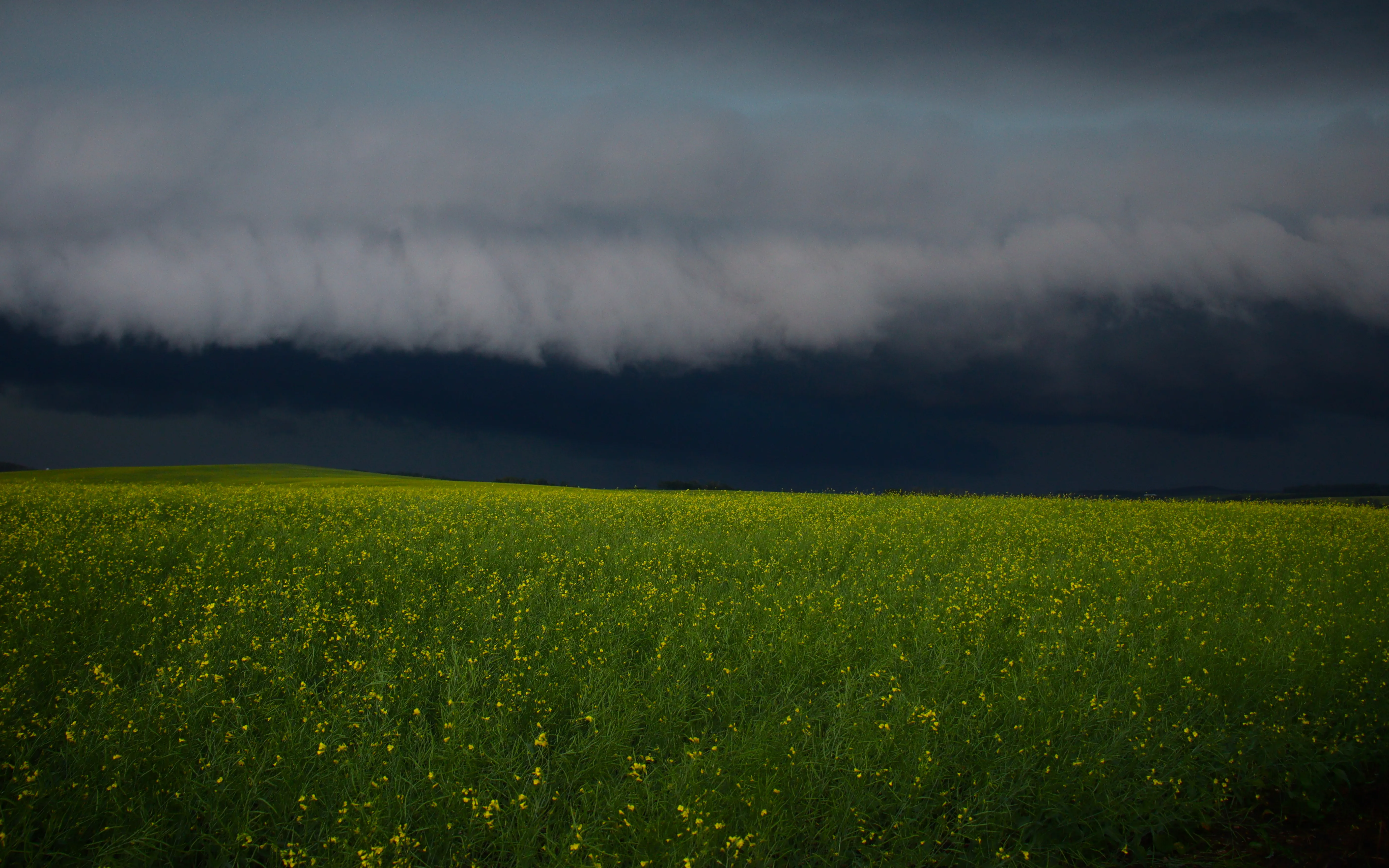
A broad severe weather alert may alert you of approaching severe weather, but it won't tell you exactly where and when the impacts will occur.
The Problem
Businesses face real costs when taking action to protect themselves from severe weather. Existing solutions fail to provide adequate lead time, while having a high false alarm rate.
A broad severe weather alert may alert you of approaching severe weather, but it won't tell you exactly where and when the impacts will occur.
By the time most weather alerts come in, it's already too late. By taking early action space can be made, vehicles moved indoors or offsite, thus preventing hail damage.
When single-event damages can cost millions of dollars, every second of lead time matters. Saving even a dozen vehicles from hail damage can amount to hundreds of thousands of dollars in savings.
ConvectAlert's Solution
Our goal is not to overwhelm customers with weather terminology. We translate our professional weather knowledge into actionable weather insights, understandable to those without a background in meteorology.
ConvectAlert continuously monitors severe weather potential with business exposure in mind. Unlike traditional public weather messaging, our alerts specifically predict when hailstorms with the potential for damage to businesses are possible.
Behind the scenes, our analysis goes much deeper than the weather alerts you're used to. Our hailstorm prediction algorithm pulls off a variety of different data sources in real-time, allowing it to be much better informed than an individual person. This allows for higher quality modeling which directly translates to more accurate and timely weather alerts relevant to your operations.
See our hailstorm prediction service in action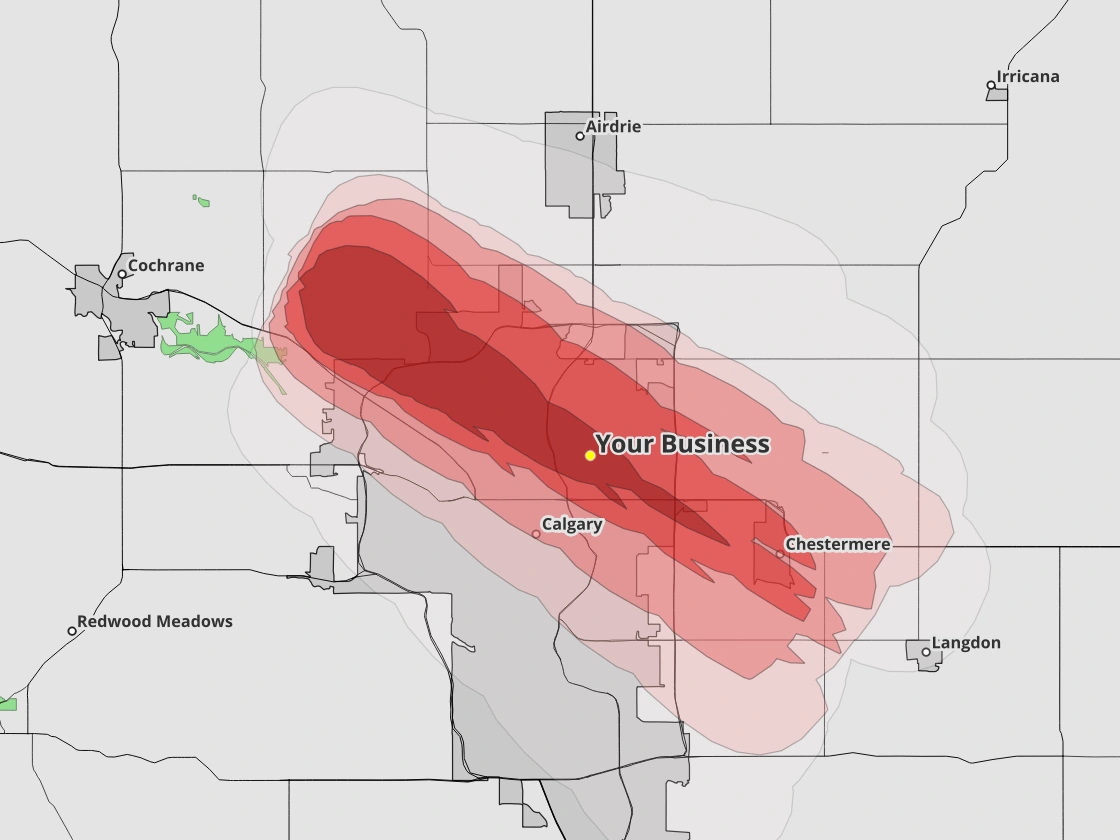
More time available to take action leads to stronger protection.
Alerts specific to your exact location, not a broad region
We present our information in terms relevant to your business.
Who It Helps
Our weather alerts are especially relevant when a business has a large inventory of exposed mobile assets, such as vehicles, aircraft and equipment.

Earlier warnings give staff the time to cover vehicles, move them indoors, or offsite where they're more protected. Getting alerts sooner also dramatically increases the likelihood of protecting vehicles prior to closing for the day.

Aircraft owners and operators face massive costs associated with hail damage that extend well beyond damages to aircraft. Moving aircraft into hangars or temporarily offsite prior to hailstorms is a key cost-saving action dependent on prior warning.

Weather-sensitive activities like concrete pours or painting can be better timed around when thunderstorms are expected to occur.

Severe weather protocols can be activated sooner and with greater certainty. Earlier warning also means last-minute changes are less disruptive to operations.
Next Steps

Here's an explanation of how ConvectAlert generates its alerts from beginning to end.
See for yourself how the warning areas changed throughout the day for some storms in 2025.

We'd love to hear from you. Feel free to email us for any inquiries or contact us on one of our social media platforms.